Tracing Interlinked Reward Ecosystems Connecting Virtual Reel Mechanics to Real-Time Dealer Interactions Through Layered Incentive Designs
Written by Morgan Brooks · Jul 8, 2026
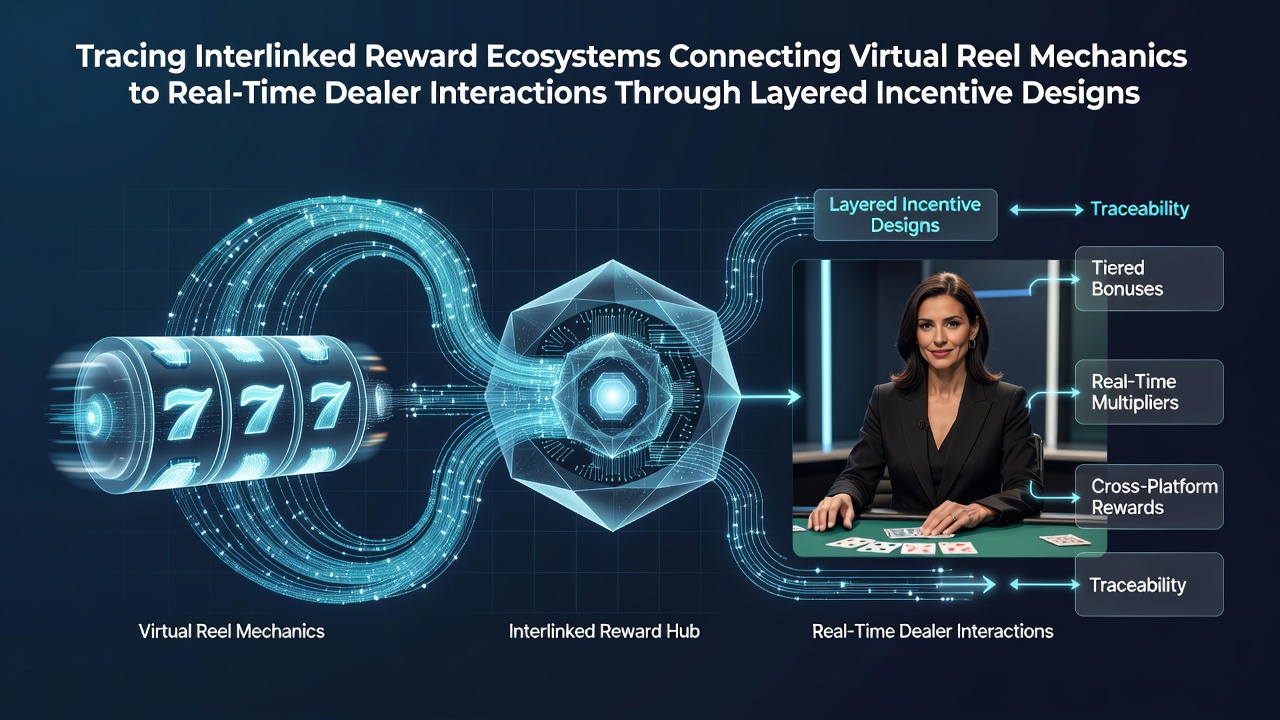
Tracing Interlinked Reward Ecosystems Connecting Virtual Reel Mechanics to Real-Time Dealer Interactions Through Layered Incentive Designs
Operators design reward ecosystems that link virtual reel mechanics directly to real-time dealer sessions through structured incentive layers, and data from multiple jurisdictions shows how these frameworks guide player progression across game categories. Studies from 2025 through mid-2026 indicate that wagering requirements, tiered loyalty multipliers, and shared jackpot pools serve as primary connectors between automated spinning sessions and interactive table environments.
Layer one typically involves deposit matches and free spin allocations that apply exclusively to virtual reel titles, while subsequent layers activate once players meet volume thresholds that unlock live dealer access. Figures from iGaming Ontario reveal that operators using this sequenced approach recorded a 22 percent increase in cross-category play during the first half of 2026, with transitions occurring most frequently after players completed initial wagering cycles on slots.
Mechanics of Layered Incentives
Virtual reel platforms generate the initial data points that feed into centralized player accounts, and these accounts then trigger eligibility for dealer table bonuses once reel-based activity reaches predetermined levels. Research conducted by the Canadian Gaming Association demonstrates that systems employing dynamic multipliers adjust incentive values in real time based on recent reel outcomes, thereby maintaining continuous engagement across both automated and human-dealer formats.
Shared reward pools represent another structural element, and they accumulate contributions from both reel wagers and table bets before distributing portions back to qualifying participants. Operators in Ontario and several European markets apply these pools through progressive structures that reset or carry over depending on regulatory parameters, which creates measurable pathways documented in quarterly compliance filings.
Data Flows and Player Progression
Transaction logs capture every reel spin and dealer interaction, feeding algorithms that calculate remaining wagering requirements and upcoming incentive unlocks. This continuous data stream allows platforms to present personalized offers that reference prior reel performance while directing attention toward live sessions scheduled during peak hours. Reports issued by the Australian Gambling Research Centre in June 2026 noted that such algorithmic prompts increased table game participation rates by 18 percent among players who had previously focused on reel titles.
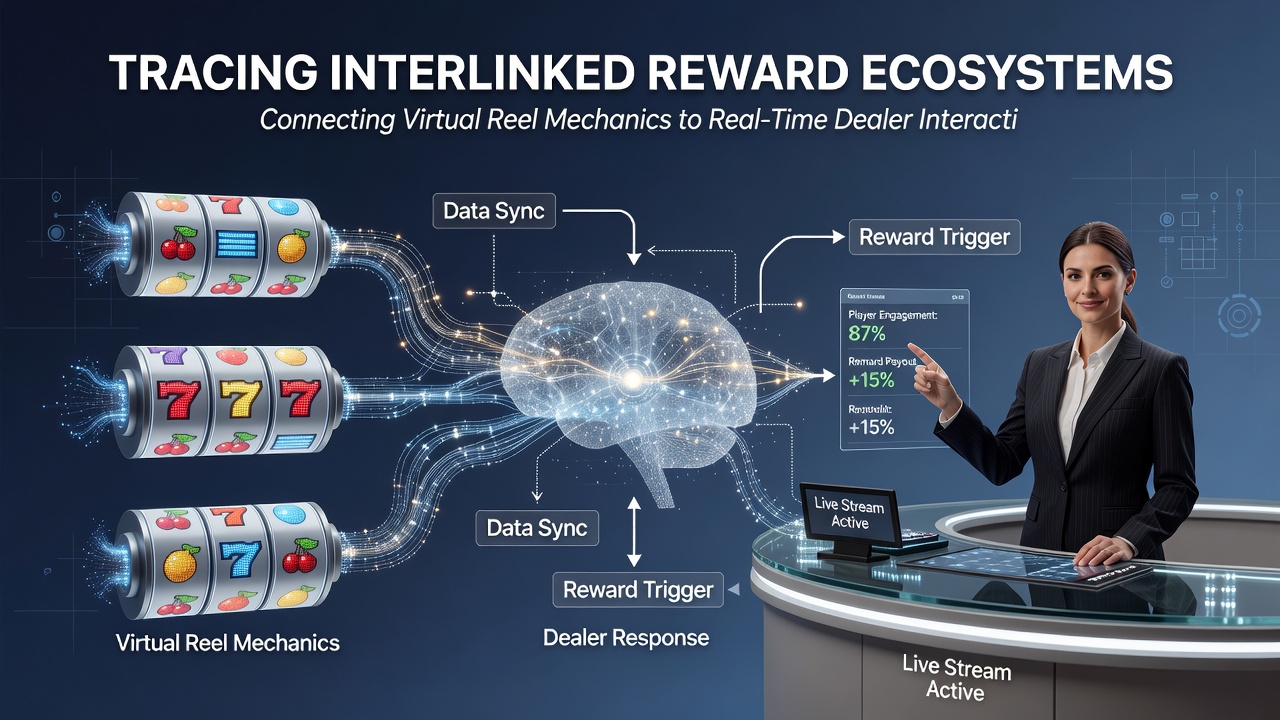
Verification protocols sit at key transition points, confirming account status before releasing live dealer credits or adjusting multiplier tiers. These checks occur automatically through integrated software that cross-references reel activity history with current promotional eligibility, reducing manual intervention while preserving compliance records required by licensing authorities.
Regional Implementation Patterns
Markets in North America and parts of Asia have adopted comparable layered designs, although specific thresholds and pool contribution rates vary according to local statutes. In July 2026, several Ontario operators adjusted their incentive schedules to align with updated responsible gaming guidelines, which shifted certain multiplier values while preserving the core linkage between reel and dealer segments.
European platforms often incorporate additional regulatory reporting layers that track how incentive redemptions distribute across game types, and these reports feed into broader industry statistics compiled by organizations such as the European Gaming and Betting Association. The resulting datasets allow observers to quantify the proportion of reel-generated activity that converts into dealer table volume within defined time windows.
Conclusion
Interlinked reward ecosystems continue to evolve through refinements in data integration and incentive sequencing, with evidence from multiple regulatory regions confirming their role in directing player movement between virtual reels and live dealer environments. Ongoing adjustments in July 2026 reflect both technological capabilities and compliance requirements that shape how these layered structures operate across different jurisdictions.