Tiered Reward Programs Drive Game Transitions and Settlement Gains in Documented Cases
Written by Otto Simon · Aug 21, 2026
Tiered Reward Programs Drive Game Transitions and Settlement Gains in Documented Cases
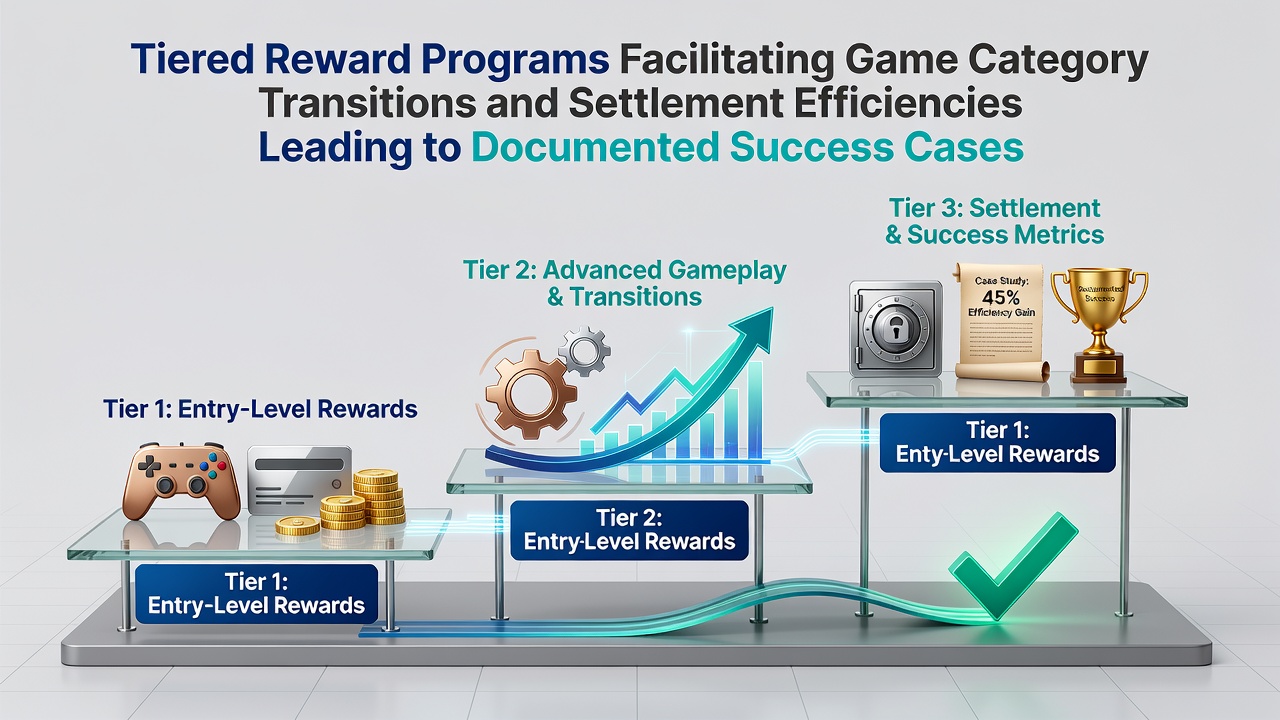
Operators have implemented tiered reward programs that link player activity across slots, table games, and live dealer formats while streamlining settlement processes, and data from multiple jurisdictions shows measurable shifts in player behavior along with faster payout cycles. These structures assign points or credits based on wager volume and game type, then unlock benefits that encourage movement into new categories without disrupting account balances or transaction flows.
Mechanics of Tier Progression and Category Shifts
Players accumulate points through slot play that automatically qualify them for rewards usable on live tables or shared jackpot pools, and systems track progress across sessions so that a single deposit can support transitions once thresholds are met. Settlement efficiencies arise when operators integrate instant transfer options that settle rewards in the same cycle as game results, reducing the time between earning and spending across categories.
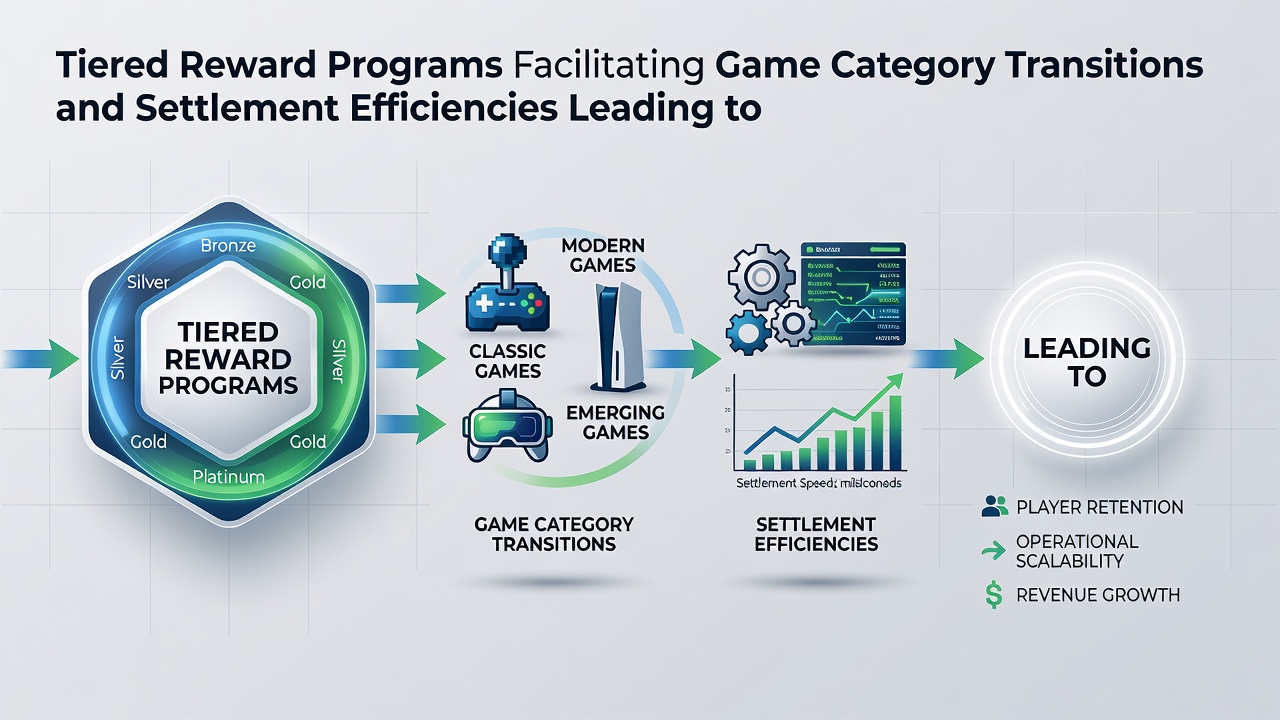
One documented pattern appears in programs where bronze-level participants receive slot-specific bonuses that convert directly into table game credits upon reaching silver status, while gold and platinum tiers add shared jackpot entries that settle within minutes of qualification. Reports from regional regulators indicate these mechanics have increased cross-category play volumes by measurable percentages in monitored markets during the first half of 2026.
Settlement Process Improvements and Efficiency Data
Automated reconciliation tools now match reward redemptions against wager records in real time, which cuts manual review steps and allows funds to move between game wallets without separate approval queues. In August 2026 operators reported average settlement times dropping below previous benchmarks when tiered incentives combined with instant banking rails, according to figures released by the New Jersey Division of Gaming Enforcement.
Payment channels that support both deposit matches and instant withdrawals further support these transitions, because players maintain continuous balances that carry over when they switch from reel-based sessions to interactive dealer tables. Studies from research institutions tracking North American and Australian markets have noted that settlement speed correlates with higher retention rates once players complete an initial category change.
Documented Success Cases Across Jurisdictions
Operators in Ontario recorded increased movement from promotional slot play into live dealer rooms after introducing tiered loyalty ladders that settled bonus funds instantly, with participation rates rising steadily through mid-2026. Similar structures in Australian venues linked reel adventures to shared jackpot moments by converting accumulated points into table credits that cleared without additional verification delays.
A case from a multi-state U.S. operator showed that players who reached mid-tier status completed more table game sessions per month once settlement processes aligned reward payouts with existing account cycles. Figures from the same period revealed fewer abandoned transitions when instant transfer options handled both slot winnings and live dealer entries under one unified system.
Academic analyses of player data sets have identified consistent patterns where tiered incentives reduced friction between game types, and settlement efficiencies contributed to longer session lengths without corresponding increases in dispute rates. Regulatory summaries from Canadian provinces and select U.S. states confirm these outcomes through aggregated transaction logs rather than individual operator claims.
Integration with Broader Industry Trends
Industry reports compiled by trade associations note that tiered programs often operate alongside smartphone alerts that notify users when they qualify for cross-category rewards, which further accelerates movement from slots to live tables. Settlement platforms that connect multiple transaction channels have allowed operators to maintain compliance while delivering rewards that accumulate across promotional reel play and interactive dealer encounters.
Data collected through August 2026 indicates continued expansion of these combined systems, with documented cases showing higher volumes of shared reward pool contributions once players complete category transitions under streamlined settlement rules. Observers note that the same frameworks appear in both land-based and online environments, suggesting scalability across different operational models.
Conclusion
Tiered reward programs paired with settlement efficiencies have produced measurable shifts in player progression from one game category to another, supported by transaction records and regulatory summaries released through 2026. Success cases from multiple regions demonstrate that point conversion, instant transfers, and unified account handling can facilitate these changes while maintaining documented performance metrics. Continued monitoring by government agencies and research groups will track whether these patterns persist as operators refine the structures further.