The Mechanics of Reward Layering That Connect Automated Spinning Games with Interactive Dealer Play and Progressive Prize Growth
Written by Taylor Coleman · Jun 26, 2026
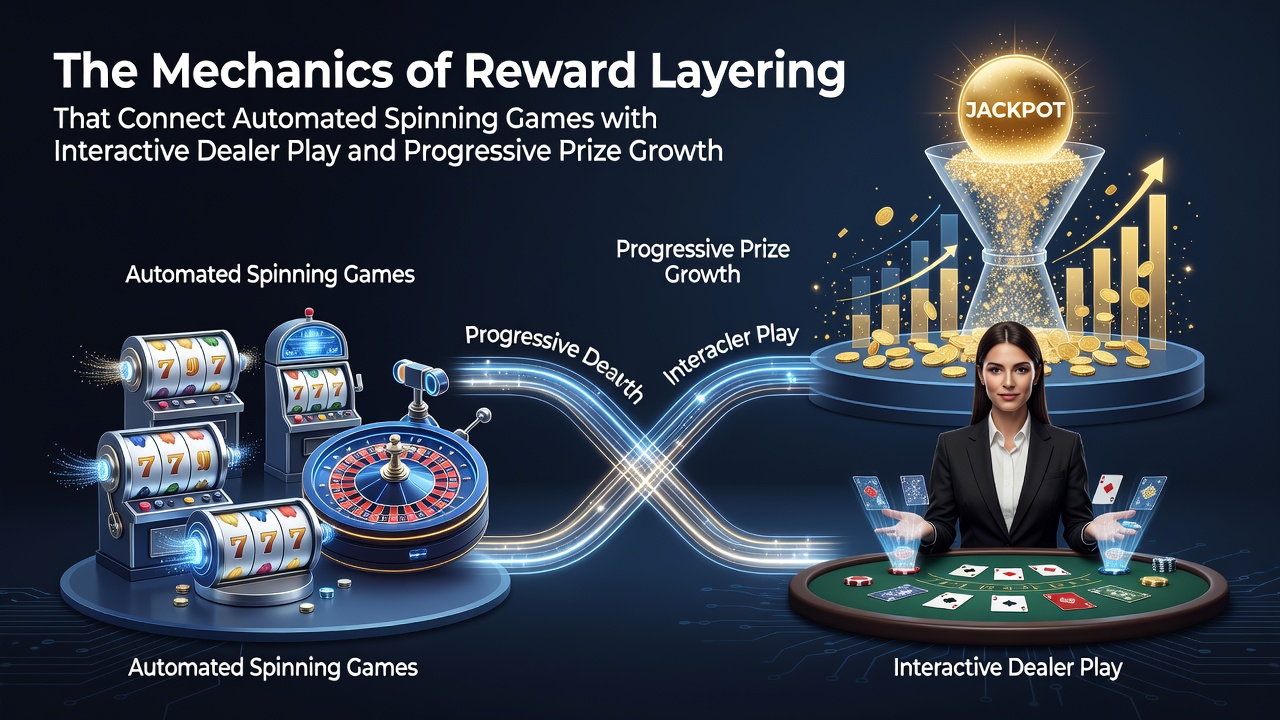
The Mechanics of Reward Layering That Connect Automated Spinning Games with Interactive Dealer Play and Progressive Prize Growth
Automated spinning games operate through random number generators that determine outcomes on each reel spin while reward layering systems add sequential incentives that encourage transitions into interactive dealer environments. These structures accumulate value across multiple game types and feed into progressive prize pools that grow with each qualifying action taken by players across participating platforms.
Operators implement reward layers by assigning points or credits during automated sessions that unlock access to live dealer tables once certain thresholds are met. Data from industry monitoring services shows these pathways increase session duration because players move from solitary reel play into shared table experiences where dealer interactions introduce new decision points and betting options.
Core Components of Layered Reward Systems
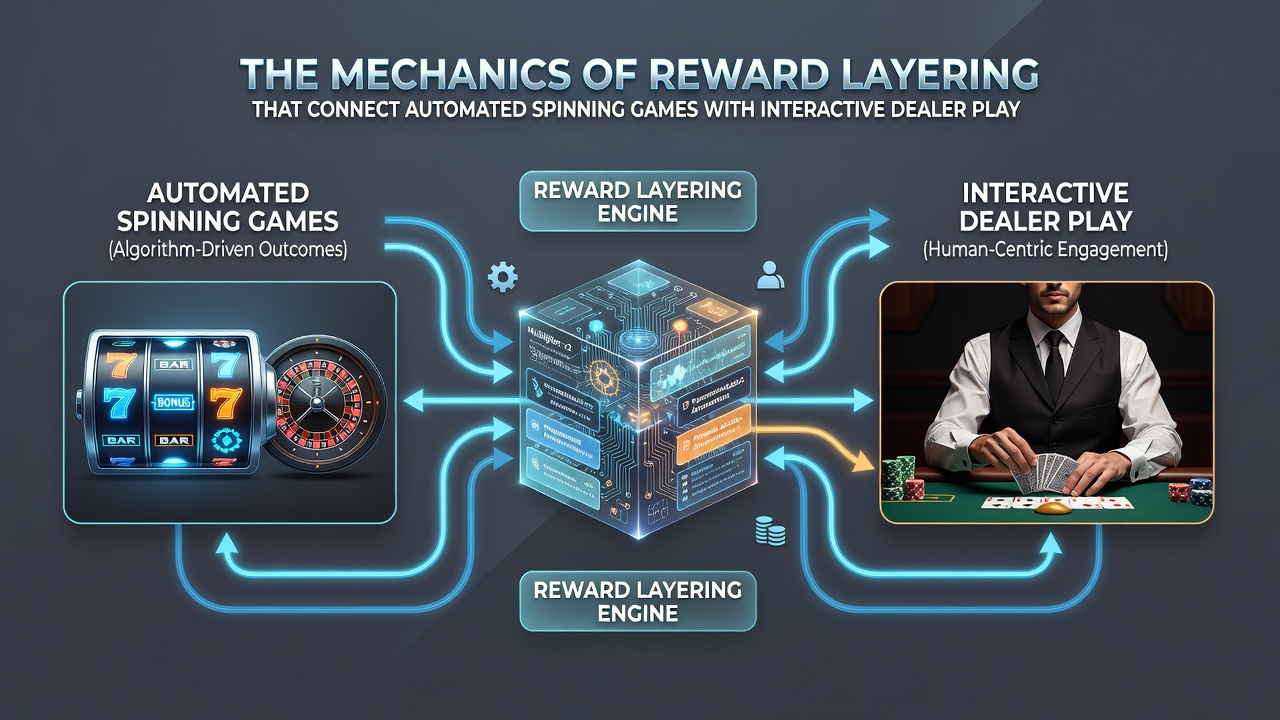
Reward layering begins with base accumulation during automated spinning where each spin contributes a fractional amount to a personal meter and a shared progressive fund. Once the meter reaches preset levels operators trigger offers that include matched deposits or direct entry into dealer-hosted games. This process relies on backend tracking software that logs every transaction and applies multipliers based on game category and wager size.
Interactive dealer play receives contributions from prior spinning activity through conversion rates that vary by jurisdiction. In regulated markets such as those overseen by the Nevada Gaming Control Board these rates undergo periodic audits to confirm fair allocation of accumulated value. Progressive prize growth accelerates when players complete transitions because each live table wager adds a percentage to the pool while also advancing personal reward tiers.
Technical Integration Between Game Types
Backend servers synchronize data between spinning game engines and live dealer platforms through application programming interfaces that update player profiles in real time. When a spinning session ends the system checks eligibility for dealer table entry and applies any pending layered bonuses without requiring separate login steps. Observers note that this seamless handoff reduces friction and maintains momentum from one game format to the next.
Progressive pools draw from both automated and interactive sources according to fixed contribution percentages established in operator licensing agreements. Research conducted by the Australian Gambling Research Centre indicates that combined contribution models produce steadier pool growth compared with single-source funding because activity across multiple game categories offsets fluctuations in any one segment.
Player Progression Pathways in June 2026
By June 2026 several platforms have expanded reward layering to include mobile notifications that alert users when accumulated credits reach levels sufficient for dealer table entry. These alerts contain direct links that preserve the current session state and carry forward any active multipliers. Figures released through the American Gaming Association tracking reports show a measurable uptick in cross-format play following the introduction of such alerts during the first half of the year.
Verification protocols confirm player identity and eligibility before layered rewards activate at live tables. Systems check prior spinning activity against compliance databases maintained by regional regulators and then release the appropriate bonus amount or table credit. This step prevents unauthorized transfers while allowing legitimate progression from automated games into interactive formats.
Progressive Prize Pool Dynamics
Progressive pools expand through continuous micro-contributions from every qualifying bet placed in either spinning or dealer environments. The growth rate depends on the number of connected games and the contribution percentage assigned to each category. When a player completes a transition from spinning to dealer play the system applies an additional seed contribution that boosts the pool and creates visible meter increases on both game interfaces.
Reset mechanisms activate after major payouts yet layered reward systems immediately begin rebuilding the pool through ongoing activity. Those who monitor these pools observe that integration with automated spinning games provides a consistent baseline of contributions even during periods when live table traffic varies due to time zones or promotional schedules.
Regulatory Oversight and Compliance Standards
Regulatory bodies require operators to document how reward layering calculations translate spinning outcomes into dealer table credits and progressive contributions. Audits examine algorithm transparency and confirm that no hidden adjustments alter the published contribution rates. The Responsible Gambling Council in Canada has published guidelines that address these cross-format mechanics and emphasize clear disclosure to players about how value moves between game types.
Operators maintain separate ledgers for personal reward layers and shared progressive funds to satisfy segregation requirements. This separation ensures that player-specific bonuses do not draw from communal prize pools and that progressive growth remains independent of individual account balances.
Conclusion
Reward layering creates measurable connections between automated spinning games and interactive dealer play by converting accumulated activity into access credits and shared prize contributions. Progressive pools benefit from this dual-source funding model because activity in one format sustains growth even when participation in the other fluctuates. Technical systems and regulatory frameworks together maintain the integrity of these pathways as platforms continue to refine integration methods through June 2026 and beyond.