Shifting Player Pathways: How Crypto Withdrawals Reshape Transitions From Reel Bonuses to Shared Prize Pools in Digital Venues
Written by Morgan Brooks · Aug 23, 2026

Shifting Player Pathways: How Crypto Withdrawals Reshape Transitions From Reel Bonuses to Shared Prize Pools in Digital Venues
Digital venues continue to adjust their structures as crypto withdrawals gain traction among players moving between reel bonuses and shared prize pools, with data from mid-2026 showing measurable shifts in transaction speeds and participation rates. Observers note that these changes affect how users progress from promotional slot play into collective reward systems, particularly in environments where instant transfers support ongoing engagement across game types.
Traditional Bonus Mechanics and Player Movement
Reel bonuses typically function as entry points in many digital venues, offering matched deposits or free spins that guide users toward base slot mechanics before any escalation occurs. Studies from industry tracking firms indicate that players often complete these initial cycles within set timeframes, after which they seek pathways into table games or accumulating jackpots. According to figures released by the American Gaming Association, online segments recorded steady revenue contributions from bonus-driven activity through the first half of 2026, with patterns showing repeated transitions when withdrawal options align with user timing needs.
Shared prize pools, by contrast, aggregate contributions across multiple participants and release payouts based on predefined triggers such as progressive meters or event-based thresholds. Research compiled by independent analytics groups reveals that access to these pools frequently requires verified balances and cleared promotional terms, creating friction points when traditional payment rails introduce delays of several hours or days. Those who have examined transaction logs across platforms report that such delays correlate with reduced movement toward pool-based features.
Crypto Integration and Withdrawal Dynamics
Crypto options entered broader use in digital venues during 2025 and accelerated into 2026, providing alternatives that process in minutes rather than relying on banking intermediaries. Data indicates platforms integrating blockchain-based withdrawals observed higher completion rates for bonus-to-pool sequences, especially when users converted reel winnings directly into wallet addresses without intermediary holds. In August 2026, several venue operators updated their ledgers to reflect increased crypto volume, aligning with seasonal peaks in player activity across North American and European markets.
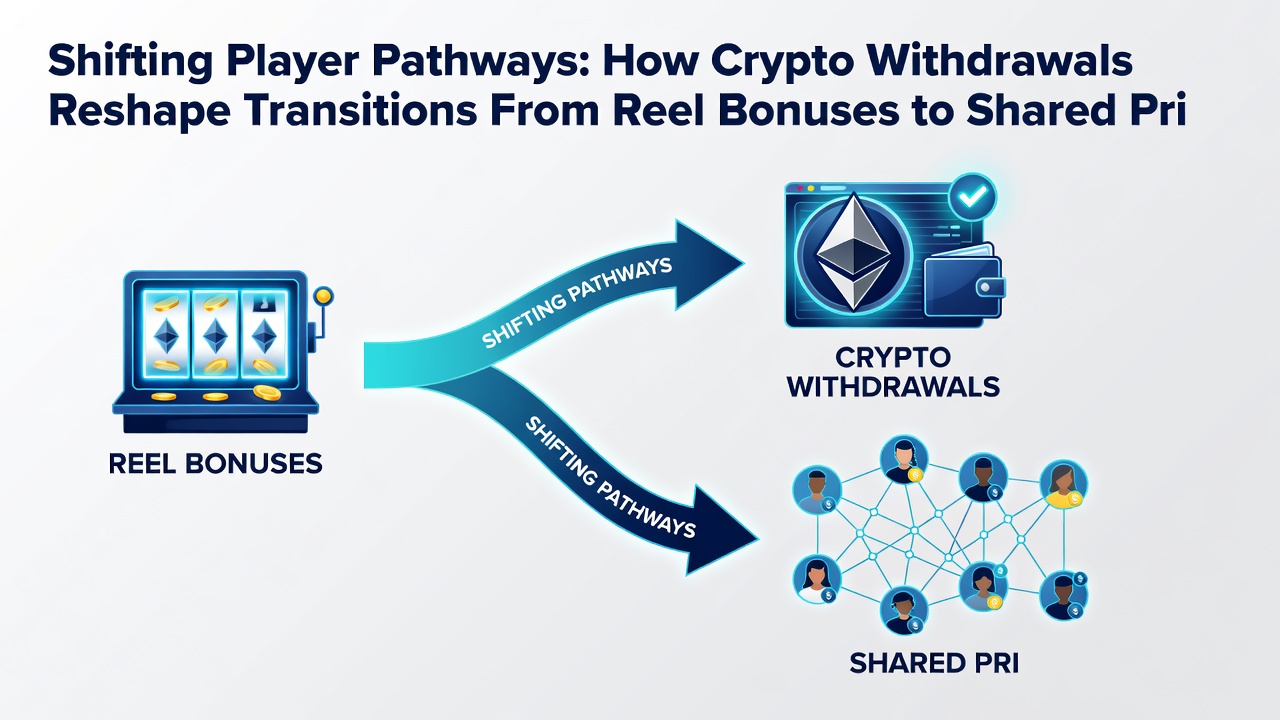
Payment channel analysis from regional regulators, including reports issued by the Alcohol and Gaming Commission of Ontario, demonstrates that venues supporting multiple coin types reduced average settlement times by measurable margins compared with prior years. This adjustment matters because shared prize pools often reset or expand based on real-time contributions, meaning faster incoming funds allow participants to meet eligibility windows that slower methods might miss. Experts tracking these metrics note the effect compounds when users reinvest cleared amounts immediately rather than waiting for external approvals.
Observed Patterns in Venue Ecosystems
Platforms operating across multiple jurisdictions have documented cases where crypto-enabled accounts transitioned from reel bonus completion to jackpot participation at rates exceeding those using card or wire methods. One longitudinal review of user sessions from early 2026 found that cleared crypto withdrawals coincided with elevated entries into progressive pools within the same login period, whereas traditional rails extended the interval by factors of two to three. These records come from aggregated platform data rather than individual anecdotes and point to structural differences in liquidity management.
Venues in markets such as Australia have incorporated similar crypto features following updates to local compliance frameworks, with industry associations reporting parallel upticks in cross-game movement. The pattern holds across both desktop and mobile interfaces, where push notifications alert users to pool thresholds once their balances reflect recent withdrawals. Observers tracking these flows emphasize that the mechanism remains consistent regardless of specific coin volatility, focusing instead on settlement certainty.
Regulatory Context and Platform Adjustments
Regulatory bodies in various regions continue to evaluate how crypto features intersect with existing bonus and pool rules, requiring venues to maintain clear separation between promotional funds and player deposits. In practice this means automated verification steps that flag crypto receipts before they count toward pool eligibility, a process that has shortened from days to hours in updated systems. Figures from European gaming oversight entities show compliance costs stabilizing as standardized wallet checks become routine.
Operators responding to these requirements have introduced tiered incentive structures that reward verified crypto pathways with accelerated access to shared rewards, though such programs remain subject to jurisdictional caps on promotional value. Data released in August 2026 from multi-state operators confirmed that venues maintaining dual-track payment options retained higher retention across bonus cycles compared with single-method peers.
Conclusion
Shifts in withdrawal infrastructure continue to influence how players navigate from reel bonuses into shared prize pools within digital venues, with crypto options contributing to faster cycle completion according to available transaction data. Patterns documented through 2026 suggest these changes affect participation timing rather than altering underlying game rules, while regulatory frameworks adapt to maintain oversight across growing transaction volumes. Continued monitoring by industry groups will track whether these dynamics persist as additional venues expand their supported payment channels.