Payment Channel Dynamics Linking Reel Adventures to Interactive Dealer Encounters and Accumulating Reward Pools
Written by Morgan Brooks · May 20, 2026
Payment Channel Dynamics Linking Reel Adventures to Interactive Dealer Encounters and Accumulating Reward Pools
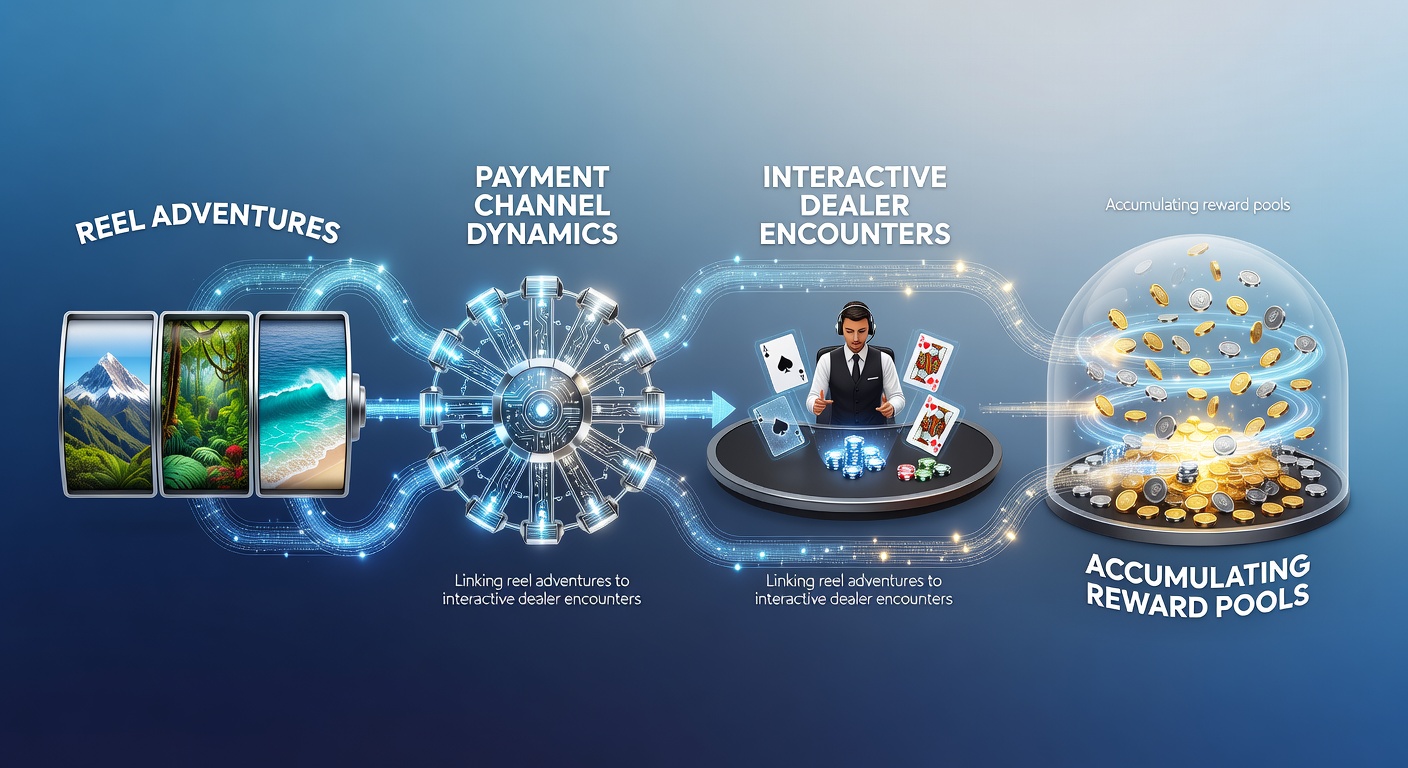
Payment channels function as the connective tissue in modern iGaming platforms, enabling players to transfer funds between slot machines and live dealer environments while simultaneously feeding into growing reward pools that draw from multiple game types. These systems handle everything from instant deposits to cross-game withdrawals, and data from regulatory filings shows how they streamline movement across different verticals without interrupting play sessions. Observers note that efficient channels reduce friction, allowing seamless shifts from reel spins to table interactions where real-time dealer decisions add another layer of engagement. ## How Payment Infrastructure Supports Game Transitions
Modern payment gateways integrate with gaming software to recognize when a player has accumulated winnings on slots and then route those balances toward live dealer tables in the same account session. Research indicates that platforms using unified wallets see higher retention rates because users avoid separate funding steps for each game category. According to reports from the Ontario Lottery and Gaming Corporation, transaction volumes between slots and live games increased notably in early 2026, reflecting broader adoption of instant transfer features that keep players in flow states longer. These channels often rely on layered verification protocols that activate once initial deposits clear, after which funds become available across both reel-based and interactive dealer offerings. Experts observe that this setup supports the accumulation of shared reward pools because every qualifying transaction contributes a small percentage to communal jackpots regardless of whether the activity occurs on automated reels or face-to-face dealer encounters. ## Reward Pool Growth Through Integrated Transactions
Reward pools expand when payment processors automatically allocate portions of wagers and deposits into centralized prize structures that span multiple game types. Figures from industry audits reveal that pools linked to both slot and live dealer activity tend to reach higher thresholds faster than those confined to single verticals. Players move between reel adventures and dealer tables while their contributions compound, and this dynamic becomes especially visible during promotional periods such as those highlighted in May 2026 when platforms reported elevated pool sizes tied to cross-game activity. Payment processors employ real-time ledgers that track contributions without requiring manual player intervention, which means every spin or card draw can feed the same accumulating prize. Data from the Australian Communications and Media Authority shows similar patterns in regulated markets where multi-game reward systems grew steadily as payment channels matured. Those who study these ecosystems point out that transparent allocation rules help maintain player trust because participants can view how their activity directly influences pool totals.  ## Regional Variations in Channel Implementation
Different jurisdictions approach payment channel design with distinct regulatory priorities that influence how quickly funds move between reel and dealer segments. In North American markets, emphasis falls on speed and security layers that support rapid shifts while complying with state-level reporting, whereas European frameworks often prioritize consumer protection checkpoints that add brief pauses before cross-game transfers complete. Analysts note these differences affect pool accumulation rates because slower verification can delay contributions even when player intent remains constant. Platforms operating across borders frequently deploy region-specific gateways that still funnel into unified reward systems, allowing global players to participate in the same prize pools. This approach maintains consistency for users who alternate between slot sessions and interactive dealer tables, and it supports the steady growth of shared rewards documented in aggregated industry statistics throughout 2026. ## Technical Mechanisms Behind Seamless Transfers
Application programming interfaces connect banking rails directly to game servers so that balance updates appear instantly whether a player has just completed a reel bonus round or a live blackjack hand. These integrations reduce the steps needed to redirect winnings toward new game types, and they also automate the small deductions that feed reward pools. Studies from academic gaming research groups highlight how such automation lowers error rates compared with manual funding methods that once interrupted player momentum. Security protocols embedded in these channels use tokenization and encryption to protect data during every transition, which encourages repeated movement between game formats without raising concerns about account safety. Observers in the sector report that platforms investing in robust channel infrastructure record higher average session lengths because players stay engaged longer when transfers feel instantaneous and secure. ## Conclusion
Payment channel dynamics continue to shape how players experience movement from slot reels to live dealer tables while contributing to expanding reward pools. As transaction systems evolve, the connections between different game types grow more fluid, supporting both individual play patterns and collective prize growth across regulated markets.
## Regional Variations in Channel Implementation
Different jurisdictions approach payment channel design with distinct regulatory priorities that influence how quickly funds move between reel and dealer segments. In North American markets, emphasis falls on speed and security layers that support rapid shifts while complying with state-level reporting, whereas European frameworks often prioritize consumer protection checkpoints that add brief pauses before cross-game transfers complete. Analysts note these differences affect pool accumulation rates because slower verification can delay contributions even when player intent remains constant. Platforms operating across borders frequently deploy region-specific gateways that still funnel into unified reward systems, allowing global players to participate in the same prize pools. This approach maintains consistency for users who alternate between slot sessions and interactive dealer tables, and it supports the steady growth of shared rewards documented in aggregated industry statistics throughout 2026. ## Technical Mechanisms Behind Seamless Transfers
Application programming interfaces connect banking rails directly to game servers so that balance updates appear instantly whether a player has just completed a reel bonus round or a live blackjack hand. These integrations reduce the steps needed to redirect winnings toward new game types, and they also automate the small deductions that feed reward pools. Studies from academic gaming research groups highlight how such automation lowers error rates compared with manual funding methods that once interrupted player momentum. Security protocols embedded in these channels use tokenization and encryption to protect data during every transition, which encourages repeated movement between game formats without raising concerns about account safety. Observers in the sector report that platforms investing in robust channel infrastructure record higher average session lengths because players stay engaged longer when transfers feel instantaneous and secure. ## Conclusion
Payment channel dynamics continue to shape how players experience movement from slot reels to live dealer tables while contributing to expanding reward pools. As transaction systems evolve, the connections between different game types grow more fluid, supporting both individual play patterns and collective prize growth across regulated markets.