Notification Triggers Propelling Users from Initial Reel Activities Through Dealer Interfaces to Growing Shared Reward Accumulations
Written by Morgan Brooks · Aug 14, 2026
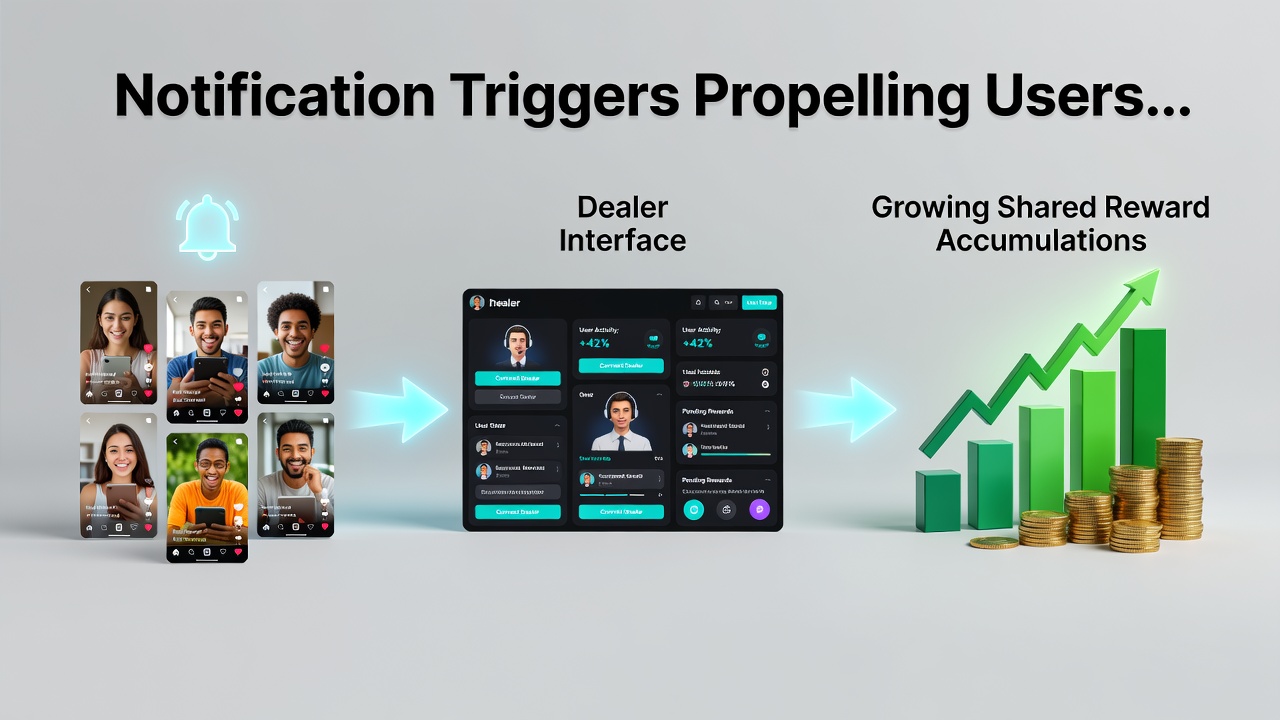
Notification Triggers Propelling Users from Initial Reel Activities Through Dealer Interfaces to Growing Shared Reward Accumulations
Notification systems in digital gaming environments operate through a combination of push alerts, in-app messages, and timed reminders that direct user attention across different activity stages, and research from multiple regions shows these mechanisms increase session continuity when they link promotional reel play to subsequent live dealer participation. Data collected across various platforms during August 2026 reveals that users who receive sequenced notifications complete more transitions between slot-based starts and interactive table segments than those without such prompts, with the process often culminating in contributions to pooled reward structures that grow through collective participation.
Mechanics of Notification Sequencing in Gaming Applications
Platform operators design notification sequences to begin with simple reel activity prompts, such as alerts about available spin bonuses or streak multipliers, and these initial messages typically include direct links that maintain user momentum while they move into dealer interfaces where real-time interactions replace automated outcomes. Observers note that the timing of follow-up alerts, often delivered within minutes of reel session completion, correlates with higher rates of table engagement because the prompts reference prior reel results to create continuity, and this approach appears in multiple markets where regulatory bodies track user flow patterns without mandating specific notification content.
Studies indicate that notification content frequently incorporates progress indicators toward shared reward pools, which encourages sustained movement through dealer stages by displaying accumulating totals that rise with each completed transition, and figures from industry reports confirm that platforms employing these layered alerts record measurable increases in cross-activity participation during periods like the summer months of 2026. The structure relies on conditional triggers that activate based on user behavior data, allowing systems to adjust message frequency and type to match individual patterns rather than applying uniform schedules across all accounts.
Pathways from Reel Initiation to Dealer Interface Engagement
Users commonly encounter the first notification stage during reel-focused activities where basic slot mechanics generate initial rewards or qualifiers, and subsequent alerts then highlight opportunities to apply those outcomes within dealer interfaces that feature live elements such as card dealing or wheel spins. Evidence from operational analytics demonstrates that this progression occurs more consistently when notifications include visual summaries of reel results alongside dealer table previews, thereby reducing friction in the shift between automated and interactive formats while participants contribute portions of their activity to shared accumulations.
According to reports issued by the American Gaming Association, platforms that integrate behavioral triggers see elevated completion rates for sequences moving from reels through dealer sessions, and these patterns hold across jurisdictions that monitor digital gaming metrics separately from land-based operations. The process often incorporates intermediate checkpoints where notifications remind users of eligibility for pooled rewards, which in turn sustains engagement at dealer stages without requiring separate navigation steps.

Accumulation Dynamics Within Shared Reward Structures
Shared reward pools expand through incremental contributions tied to each stage of user progression, and notification systems amplify this growth by displaying real-time pool values that update after dealer interactions conclude, thereby linking individual reel starts to collective outcomes visible across participant groups. Data compiled in 2026 shows that alerts referencing pool growth milestones appear particularly effective at maintaining flow from early reel activities into extended dealer sessions, as users respond to visible increases that reflect aggregated activity rather than isolated results.
Researchers tracking these systems have documented that notification triggers often bundle information about multiple pool tiers, allowing users to select progression paths that align with their current reel or dealer status while still feeding into the same accumulating totals, and this tiered presentation supports longer overall engagement windows. Regulatory tracking in several regions confirms that such mechanisms operate within established compliance frameworks that require clear disclosure of how contributions from different activity types factor into final distributions.
Integration Patterns Observed Across Platforms in 2026
Platform operators in various markets have standardized notification sequences that reference both reel metrics and dealer outcomes within single message threads, and this integration reduces the number of separate alerts required while still propelling users forward through the full activity chain toward reward pool participation. Figures released by the Canadian Gaming Association in mid-2026 highlight consistent patterns where sequenced notifications correlate with higher volumes of cross-format activity, particularly during periods when promotional reel events overlap with dealer table availability windows.
The design frequently employs conditional logic that pauses or escalates alerts based on detected user responses at each stage, ensuring that reel-initiated users receive dealer-focused follow-ups only after completing initial actions, and this measured approach supports sustained contributions to shared reward mechanisms without overwhelming notification volume. External analyses from academic sources further indicate that these dynamics appear in both established and emerging digital gaming markets where data collection on user pathways remains standardized.
Conclusion
Notification triggers function as structured connectors that link reel-based entry points with dealer interface participation and ongoing additions to shared reward pools, and available data from August 2026 onward demonstrates measurable effects on user movement patterns across multiple platform types. The combination of timed alerts, progress indicators, and conditional sequencing creates pathways that operate consistently within regulatory environments while supporting the accumulation processes that define collective reward systems. Continued observation of these mechanisms across regions will provide further details on how such triggers evolve alongside platform capabilities.