Connecting Promotional Incentives to Game Transitions and Prize Accumulation Through Varied Payment Channels
Written by Taylor Coleman · Jun 24, 2026
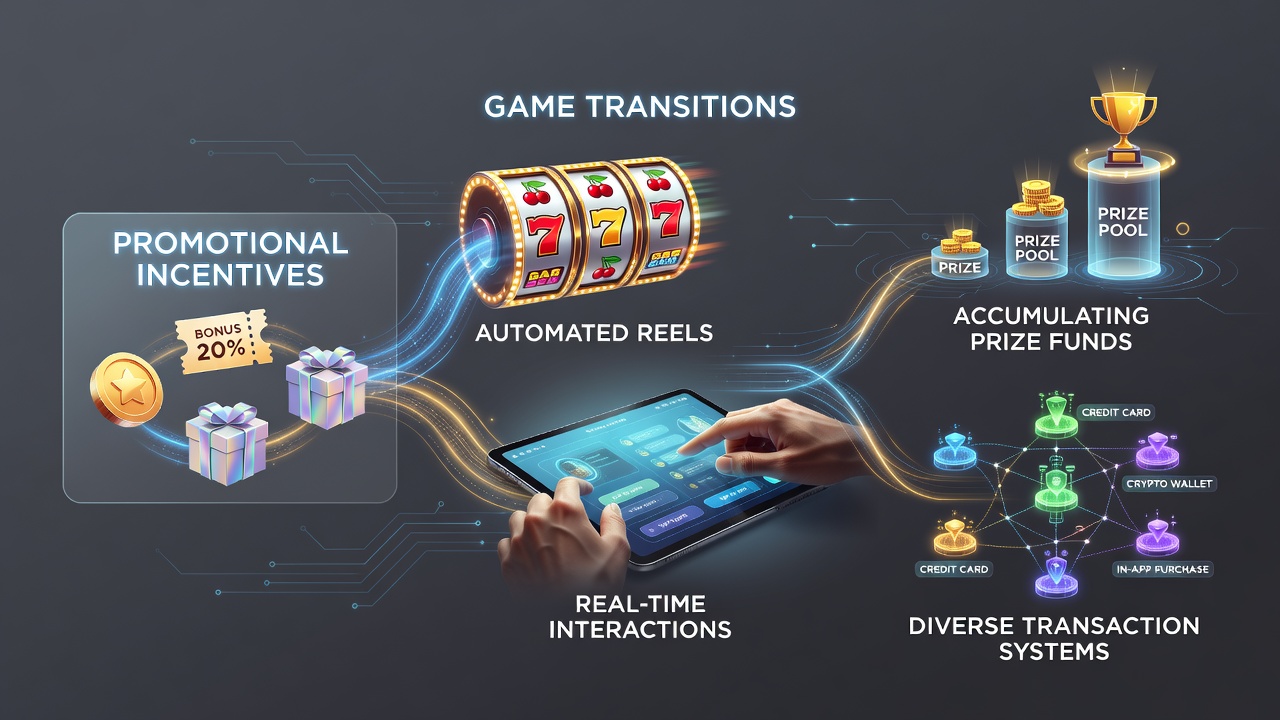
Connecting Promotional Incentives to Game Transitions and Prize Accumulation Through Varied Payment Channels
Promotional incentives in digital gaming environments often serve as entry points that guide participants from automated reel systems toward interactive dealer sessions while prize pools expand through coordinated transaction networks. Data from industry reports indicates that bonus structures such as deposit matches and free spin packages create measurable pathways where initial automated play feeds into real-time formats and shared reward mechanisms. Observers note that these connections rely on seamless payment integrations that track player activity across game types and accumulate contributions to progressive funds in real time.
How Incentive Structures Initiate Transitions
Automated reels typically function as the starting point for many gaming sessions because their mechanics allow quick engagement with minimal setup, and promotional tools amplify this access by offering tiered rewards that unlock additional game modes. Research from gaming analytics firms shows that players who begin with reel-based bonuses frequently receive prompts or automatic transfers that introduce live dealer options once certain play thresholds are met. These transitions occur because systems monitor metrics like wager volume and session duration then trigger offers that shift the experience toward interactive tables where real-time decisions replace spinning sequences.
Payment channels play a central role here since instant deposit confirmations and withdrawal processing speeds determine how quickly accumulated rewards convert into playable balances for the next stage. In June 2026 platform operators reported increased use of multi-currency wallets and instant bank transfers that reduce friction during these shifts and allow prize contributions to flow directly into communal jackpot pools without delays. Figures from regulatory filings reveal that such efficiencies correlate with higher completion rates for incentive cycles that span multiple game categories.
Transaction Systems and Prize Fund Growth
Diverse transaction methods including e-wallets, bank wires, and cryptocurrency options enable continuous accumulation of prize funds because each method logs contributions automatically to centralized pools. Systems built on these channels record percentages from every qualifying wager whether it originates from reels or live tables then distribute updates to participants through real-time notifications. Analysts have observed that platforms supporting at least four distinct payment types achieve faster pool growth rates compared to those limited to fewer options since broader accessibility draws more frequent deposits that feed the same reward structures.
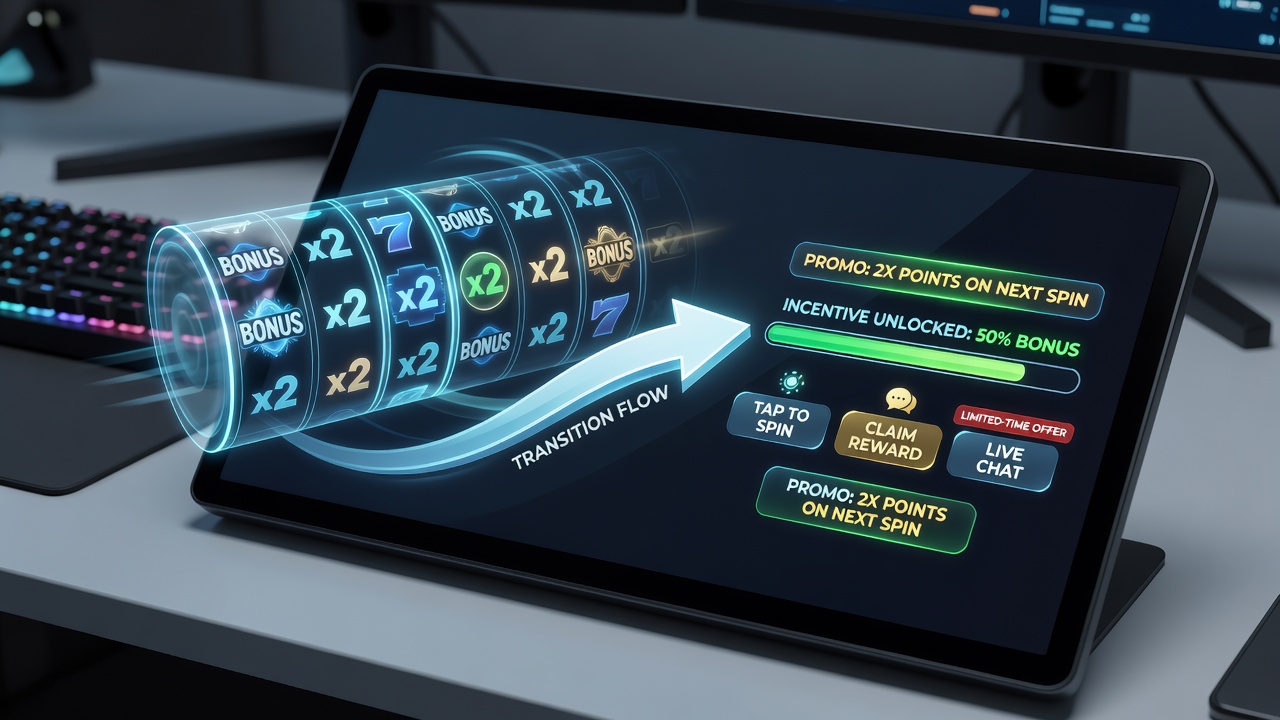
One documented pattern involves promotional credits that carry wagering requirements tied to both automated and interactive formats so players must complete portions of each to release full prize values. This design encourages movement across game types while the underlying transaction infrastructure simultaneously routes portions of activity into growing funds. According to data released by the American Gaming Association aggregated reports show that integrated payment and bonus systems have supported steady increases in shared reward participation across regulated markets through the first half of 2026.
Real-Time Interaction Mechanics and Incentive Alignment
Live dealer environments introduce elements of timing and choice that differ from reel automation yet promotional designs often bridge this gap by awarding progressive bonuses that carry over when players switch formats. Transaction logs capture these movements and ensure that prize fund contributions remain consistent regardless of the interface used. Experts tracking platform data note that verification protocols tied to payment accounts help maintain continuity so accumulated rewards do not reset during transitions and instead compound within the same pool structure.
Additional examples appear in systems that use tiered loyalty points earned through initial reel play which later convert into entry credits for live tables and simultaneous additions to jackpot reserves. These mechanics operate because payment processors interface directly with game servers allowing every deposit and wager to update multiple ledgers at once. Reports from the New Jersey Division of Gaming Enforcement indicate that such synchronized operations have contributed to measurable growth in interactive game volumes during periods when promotional campaigns run across both automated and live categories.
Conclusion
Overall the linkage between promotional incentives game format transitions and diverse transaction systems creates structured progressions where automated reels feed into interactive sessions and prize funds expand through continuous payment activity. Information compiled as of June 2026 demonstrates that platforms employing these integrated approaches record consistent patterns of player movement and reward accumulation across multiple payment methods. Further examination of regulatory and industry data continues to highlight the operational frameworks that support these connections without interruption.