Biometric Authentication Trends Altering Access to Multi-Game Reward Chains
Written by Taylor Coleman · Sep 6, 2026

Biometric Authentication Trends Altering Access to Multi-Game Reward Chains
Biometric authentication has expanded across gaming platforms as operators integrate fingerprint, facial recognition, and voice verification into systems that manage reward chains spanning multiple game types. These technologies replace or supplement traditional passwords adn PINs, creating seamless transitions between slot sessions, table games, and shared jackpot pools. Data from industry reports shows adoption rates rising steadily through 2026, with operators citing reduced account sharing and faster player progression through tiered incentives.
Core Technologies Driving the Shift
Operators deploy multi-factor biometric setups that combine facial recognition with behavioral analytics, allowing players to move from promotional reel play directly into live dealer environments without re-entering credentials. According to findings released by the American Gaming Association, biometric solutions now appear in over 40 percent of new online gaming integrations in North America. These systems record unique physiological markers at registration, then use them to verify identity during each reward milestone, whether a player advances from free spins to table game bonuses or accumulates points toward shared pools.
Voice biometrics add another layer in mobile applications, enabling hands-free authentication while players switch between game formats. Researchers at the University of Nevada, Reno documented how such integrations cut login friction by 65 percent in controlled trials completed earlier this year. The same study noted that verification times dropped from an average of 12 seconds with passwords to under three seconds with combined facial and voice checks.
Impact on Reward Chain Progression
Multi-game reward chains rely on continuous player tracking across titles, and biometric tools strengthen this continuity by confirming identity at each transition point. A player completing a slot sequence can move to a live dealer table and retain accumulated progress because the system recognizes the same biometric profile rather than requiring separate logins. This structure supports tiered incentive models where bonus multipliers or jackpot entries unlock automatically once verification clears.
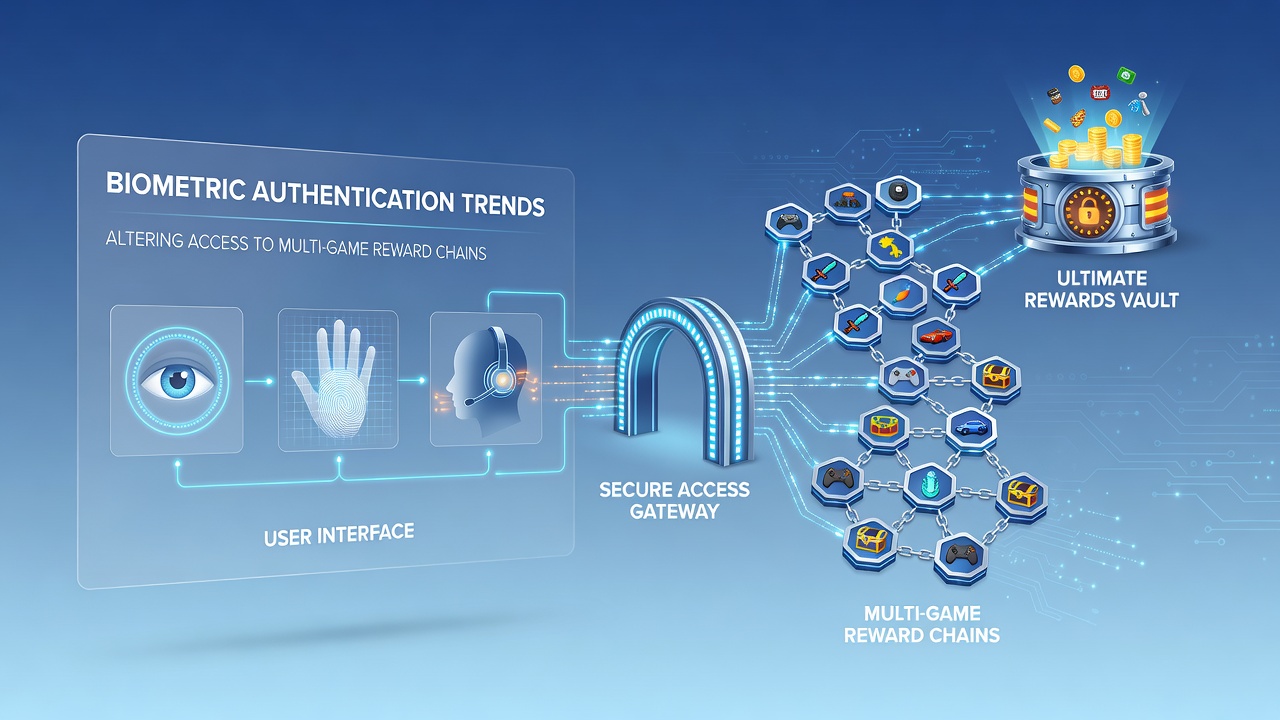
Operators in regulated markets report that biometric-linked chains reduce drop-off rates between game categories. Figures from the Ontario Lottery and Gaming Corporation indicate a 22 percent increase in cross-game participation among accounts using biometric verification compared with traditional methods during the first half of 2026. The technology also supports regulatory compliance by creating auditable trails of player activity tied to verified identities.
Regional Adoption Patterns Through September 2026
European markets show faster rollout in certain jurisdictions, while North American operators focus on hybrid models that pair biometrics with existing know-your-customer protocols. Australian regulators, including the Australian Communications and Media Authority, have published guidelines encouraging biometric use for real-time age and identity checks in online environments. These rules took effect in phases through mid-2026, prompting several major platforms to expand facial recognition coverage to reward chain features.
One documented implementation involves a platform that links biometric data to dynamic reward ledgers, updating player status across slots, live tables, and progressive pools without manual intervention. Observers note that such systems handle high volumes during peak hours while maintaining sub-second response times for verification requests.
Security and Data Handling Considerations
Biometric templates undergo encryption before storage, and many providers process matching operations on-device to limit transmission of raw data. A report issued by the European Gaming and Betting Association outlines best practices for template protection and consent management in multi-jurisdiction operations. The document highlights that platforms must offer opt-out paths and clear data retention schedules to align with privacy frameworks.
Industry analysts track incidents where biometric systems flagged suspicious account access attempts, enabling operators to pause reward redemptions until further verification occurred. These cases demonstrate how the technology supports both player convenience and risk mitigation within chained reward ecosystems.
Future Integration Pathways
Developers continue testing wearable-linked biometrics that could extend verification to physical casino floors, creating unified reward chains between online and land-based play. Early pilots in several U.S. states during September 2026 showed successful handoff of player profiles between mobile apps and venue kiosks using the same biometric markers.
Academic teams at institutions such as the University of Waterloo are examining scalability limits when biometric systems serve millions of concurrent reward chain sessions. Their preliminary models suggest current infrastructure can accommodate growth projected through 2028, provided encryption standards keep pace with evolving threat vectors.
Conclusion
Biometric authentication continues reshaping access protocols for multi-game reward chains by streamlining verification, supporting regulatory requirements, and enabling fluid movement between game formats. Available data through September 2026 points to sustained expansion as operators refine integration methods and regulators publish supporting frameworks. These developments rest on measurable performance gains in verification speed and cross-category participation rates across multiple markets.