Algorithmic Pathways Bridge Casual Spinning Sessions to High-Stakes Dealer Interactions via Tiered Incentive Structures
Written by Riley Brooks · May 29, 2026
Algorithmic Pathways Bridge Casual Spinning Sessions to High-Stakes Dealer Interactions via Tiered Incentive Structures
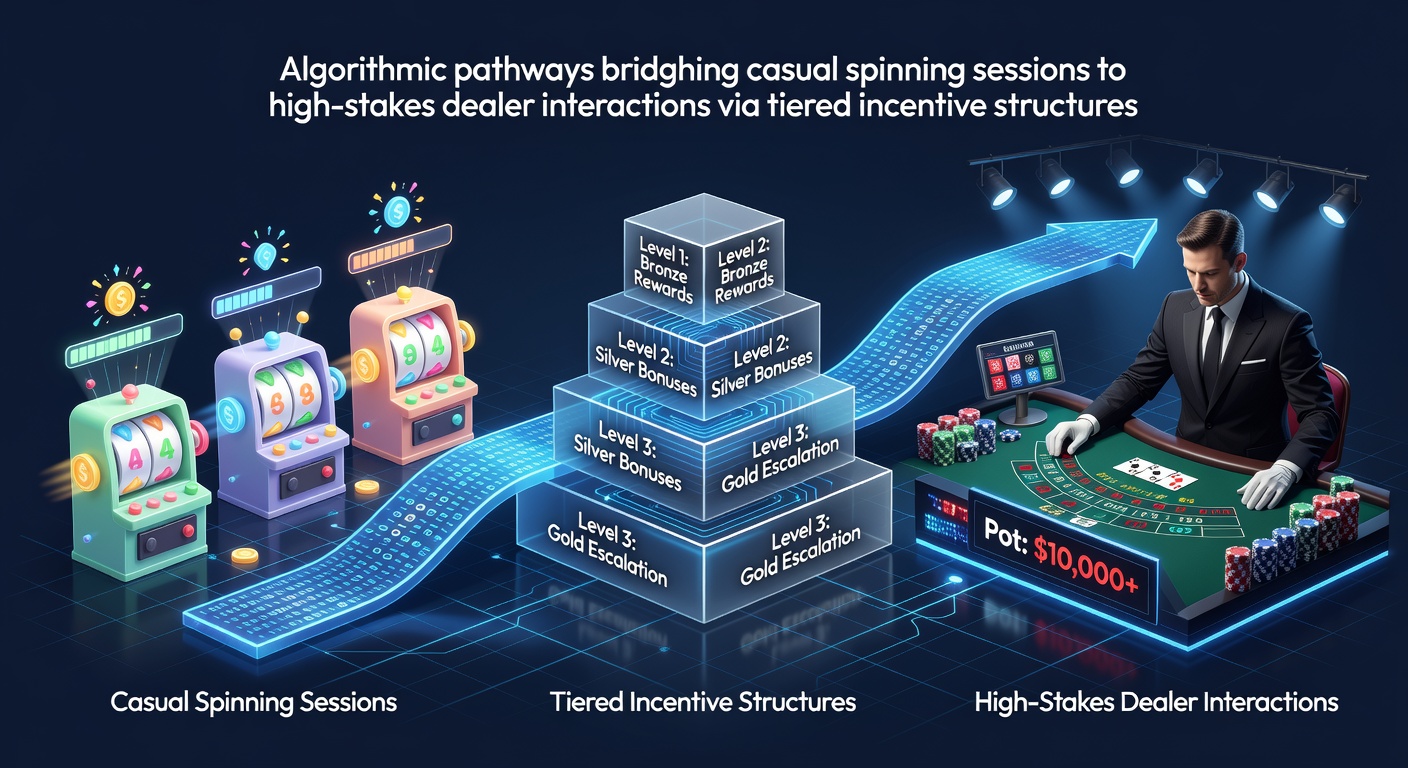
Algorithms in modern gaming platforms track player behavior across casual spinning sessions and deploy tiered incentive structures that gradually introduce higher-stakes dealer interactions, and these systems rely on data points such as session duration, wager frequency, and game selection to assign users to progressive reward levels. Operators use machine learning models to predict when a player might respond to an offer that unlocks live dealer tables, while shared reward pools accumulate contributions from both slot play and table game activity to create unified progression metrics.
How Data Models Identify Progression Opportunities
Platforms collect real-time metrics during reel spins and feed them into classification engines that sort users into entry-level tiers based on activity volume, and once thresholds are met the algorithms trigger personalized offers such as bonus credits that can be applied directly at interactive dealer tables. Research from the Alcohol and Gaming Commission of Ontario indicates that such automated pathways increased cross-product engagement by measurable margins in regulated markets during early 2026, while similar models in other jurisdictions adjust incentive timing according to peak activity windows observed in May 2026 data sets.
Those who monitor these systems note that the models incorporate variables including deposit patterns and time-of-day preferences to avoid abrupt shifts that might disrupt casual sessions, yet the same engines can escalate offers toward high-stakes tables when cumulative play data signals readiness. Take one operator that implemented a four-tier ladder where bronze members receive small free-spin bundles and platinum members gain direct access to private dealer rooms with pooled jackpot contributions, and the transition between tiers occurs automatically once algorithmic criteria are satisfied.
Mechanics of Tiered Rewards and Live Table Integration
Tier structures typically begin with low-barrier entry rewards that keep spinning sessions engaging, and they escalate through silver and gold levels where incentives begin to include table-game credits or reduced rake at dealer tables. The algorithms calculate optimal reward sizing by analyzing historical conversion rates across thousands of player profiles, which allows the system to bridge casual play to interactive formats without manual intervention from support teams.
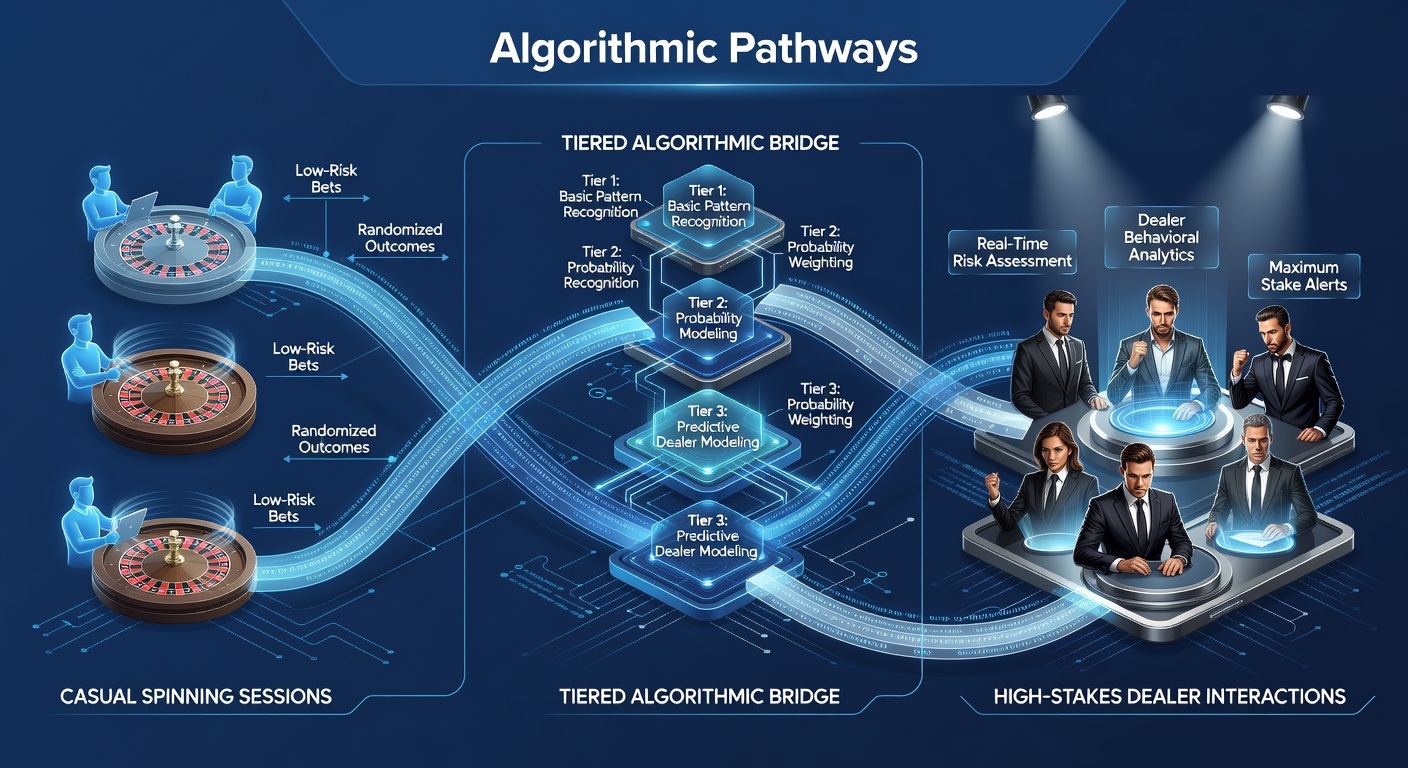
Shared reward pools function as a central ledger where portions of every wager, whether on reels or at live tables, feed into progressive jackpots that become visible to players once they reach mid-tier status, and this visibility serves as an additional algorithmic nudge. Data from the National Council on Problem Gambling shows that transparent pool mechanics appear in multiple North American and European platforms, where the same algorithms that manage tier advancement also cap exposure for users who exhibit rapid escalation patterns.
Regional Implementation Patterns Observed in 2026
In markets that opened expanded online frameworks ahead of May 2026, operators deployed region-specific weighting within their models to account for local regulatory caps on bonus values and table minimums, yet the core pathway logic remains consistent across borders. European platforms, for instance, integrate algorithmic triggers that align with payment-channel rules, routing confirmed deposits into tier-advancement sequences that culminate in dealer-room invitations.
One documented case involved a mid-sized operator that linked its slot loyalty engine directly to a live-dealer API, and the integration allowed instant conversion of accumulated points into table buy-ins while maintaining separate ledgers for pooled rewards. Observers note that such connections reduce friction between game types and produce measurable lifts in session length across both product categories.
Conclusion
Algorithmic pathways that connect casual spinning to high-stakes dealer tables through tiered incentives continue to evolve as platforms refine their predictive models and expand shared reward mechanisms. Regulatory bodies in multiple jurisdictions track these developments through ongoing data submissions, and the resulting frameworks shape how operators balance engagement growth with compliance requirements. Continued observation of these systems in the months following May 2026 will reveal whether current tier structures maintain their effectiveness as player behaviors shift and new product formats emerge.